Odonata
I’m building a drone that flies on its own. The first version lands itself on an AprilTag station. The next one should fly through a forest and find trees hit by bark beetles.
- hours logged
- 92
- sessions
- 32
- photos & screenshots
- 456
Each point on the path is a build session. Point at one to see it.
The build, phase by phase
Every session is written up in the journal. Point at a day to see what happened.
- From first to last session
- 37 days
- Days with a build session
- 28 of 37
- Average session
- 2 h 53 min
- Research & parts22 Apr–23 Apr6 h 8 min, 2 sessions
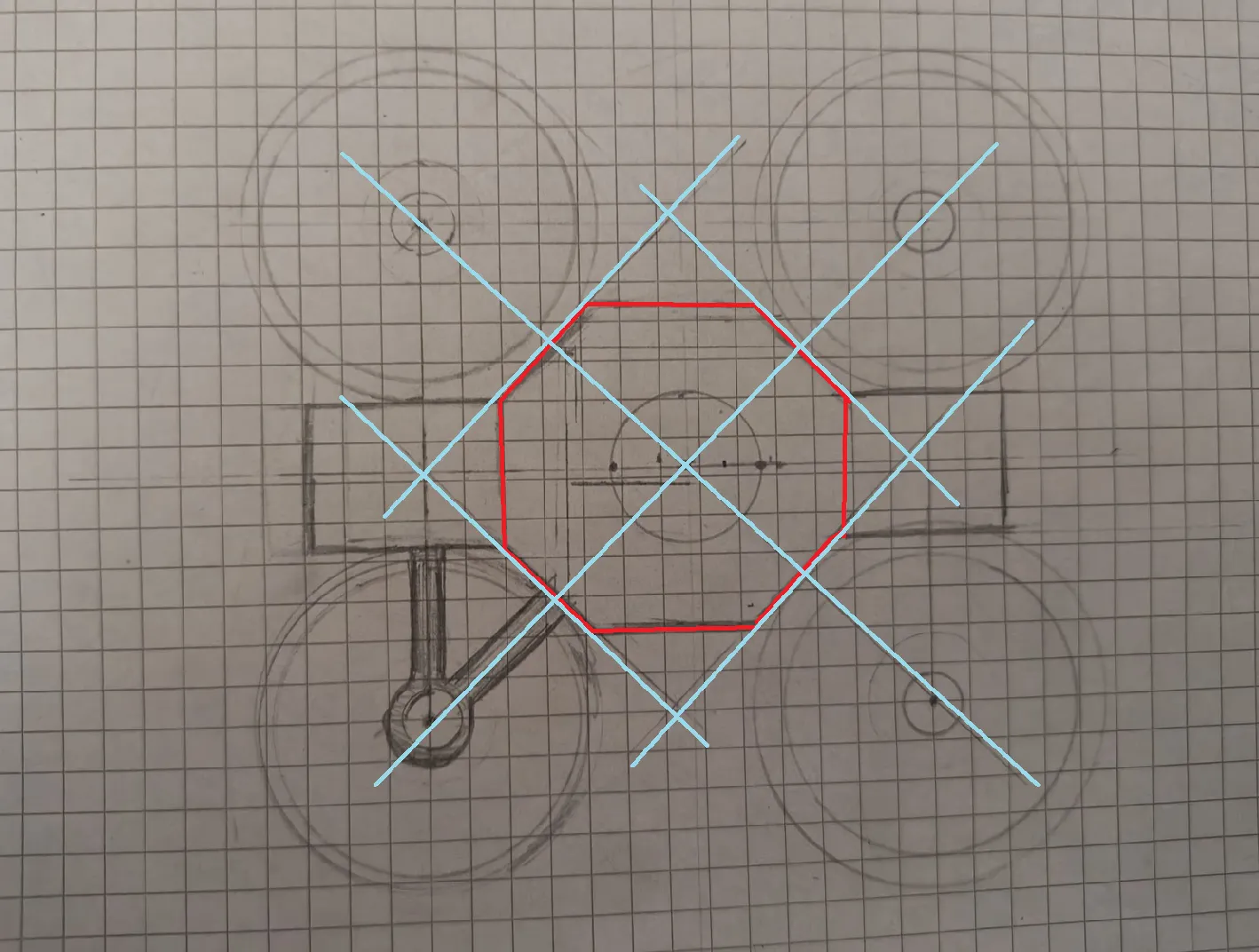
- First sketches25 Apr1 h 15 min, 1 session
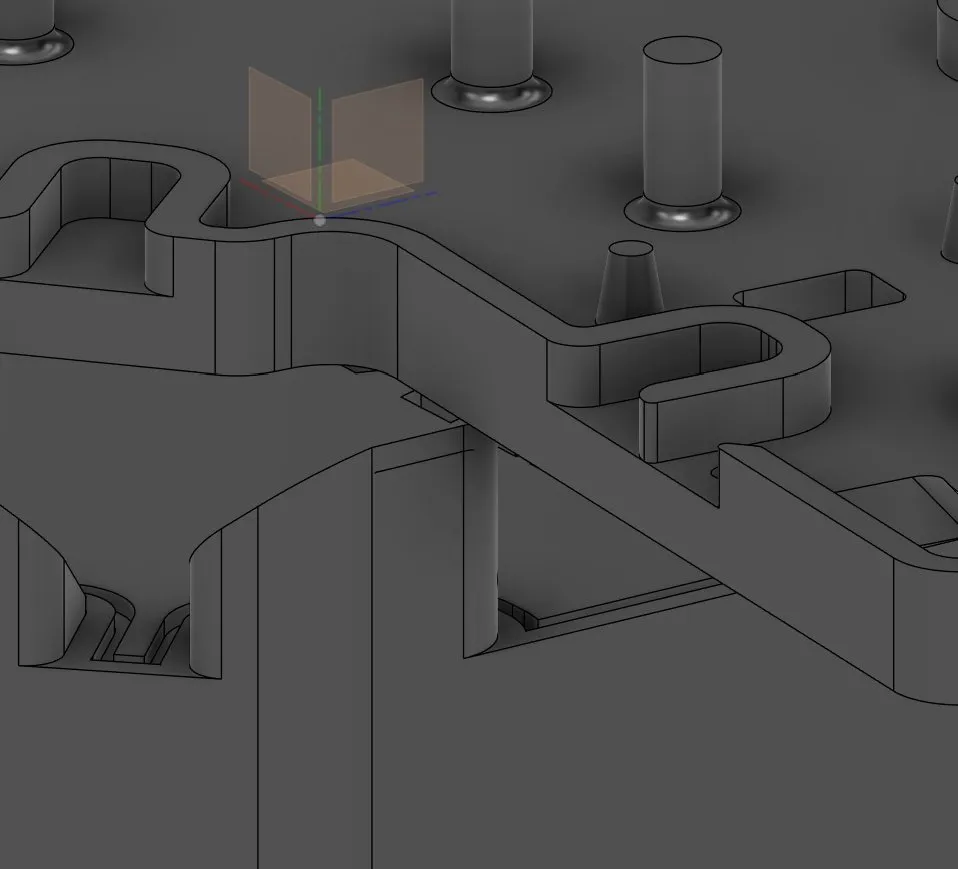
- CAD design26 Apr–8 May31 h 57 min, 11 sessions
- PCB design10 May–23 May30 h 50 min, 12 sessions
- Landing station25 May5 h 59 min, 1 session
- Firmware & cockpit26 May–28 May11 h 28 min, 4 sessions
- Documentation29 May4 h 23 min, 1 session
From sketch to first flight
Scroll sideways. Each picture opens the session it came from.
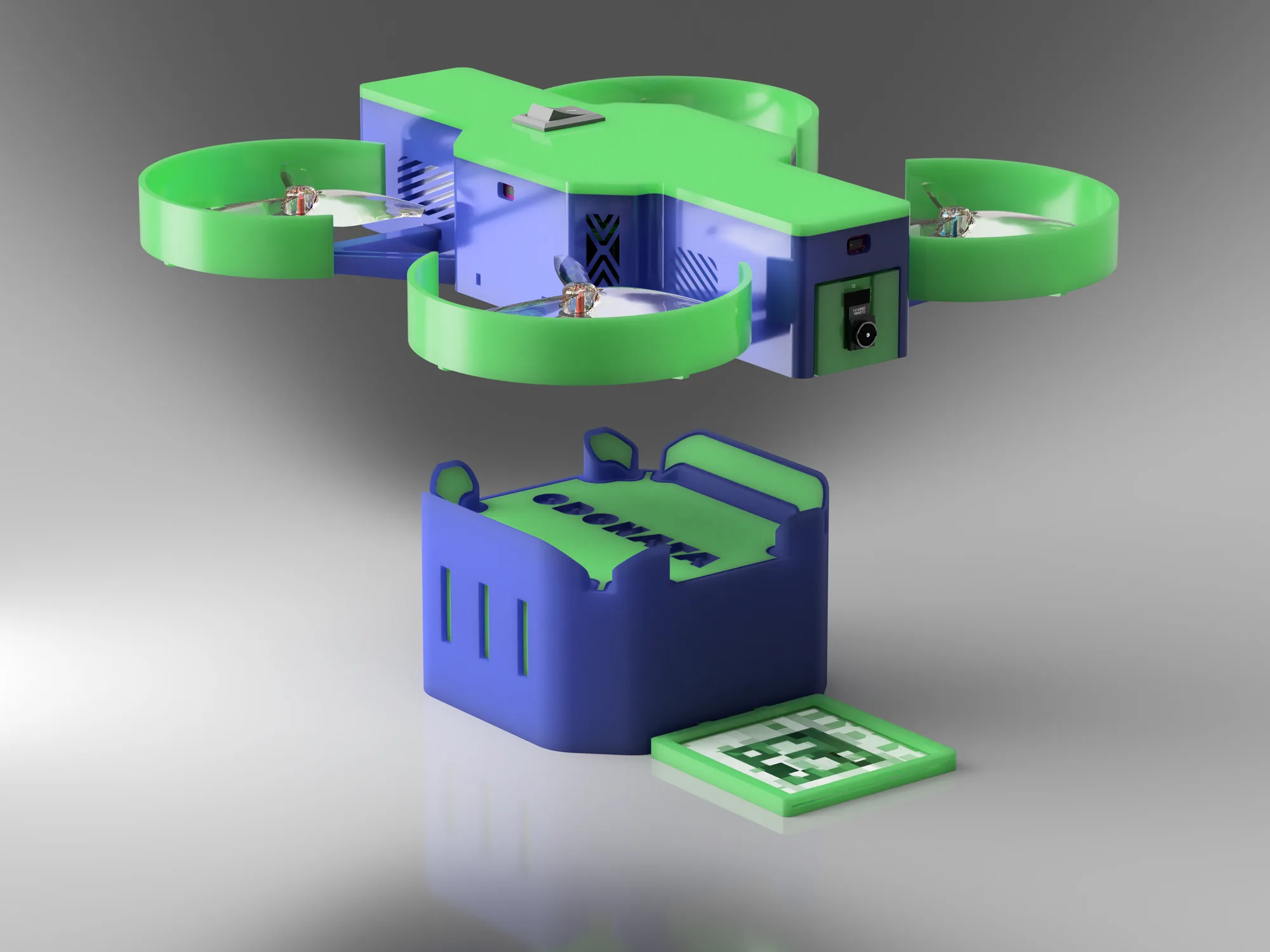
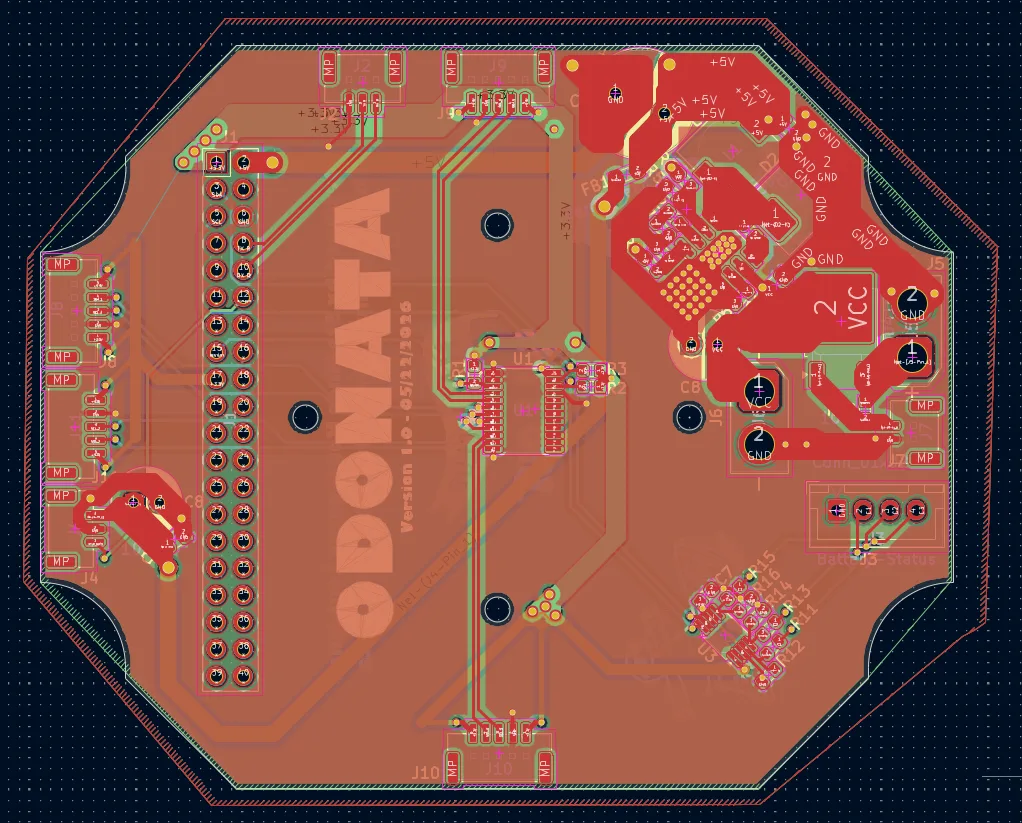
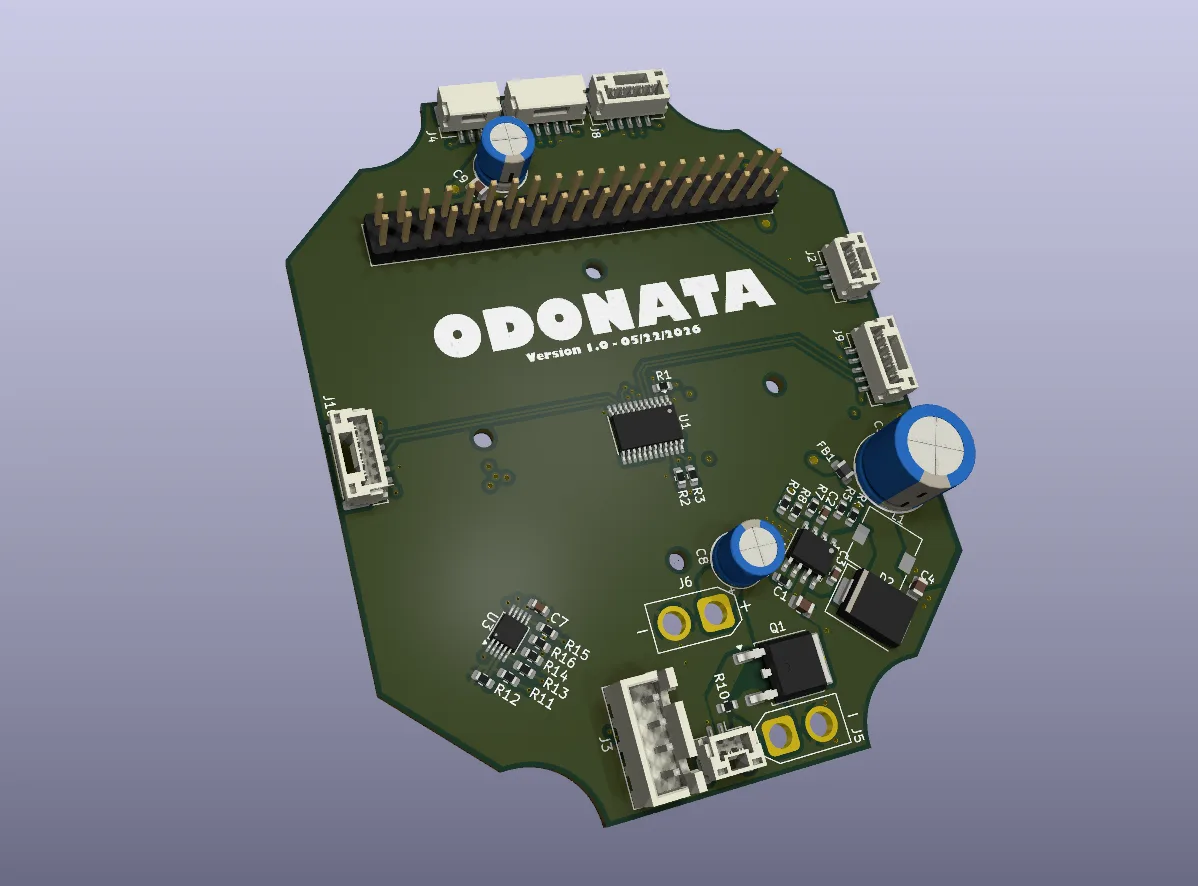
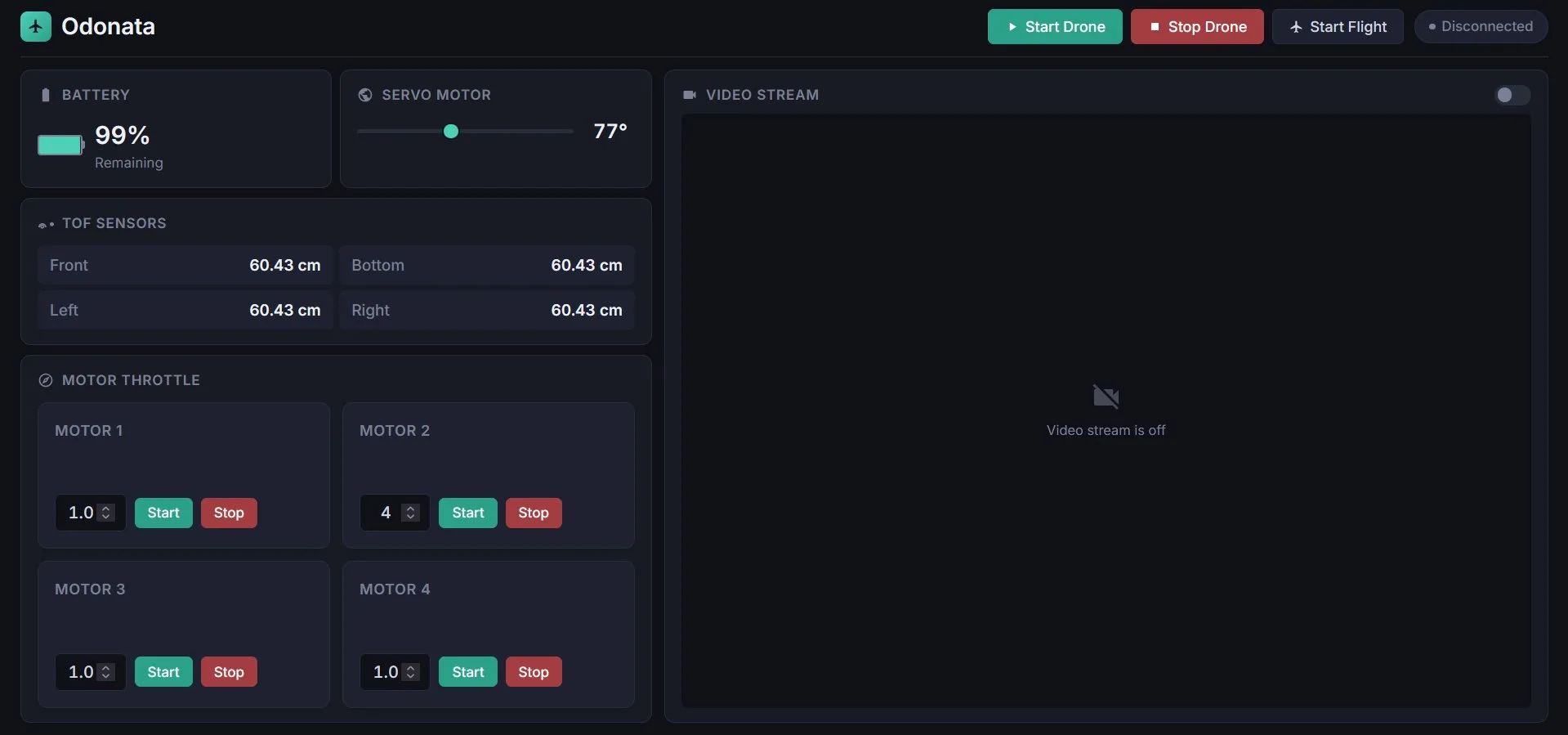
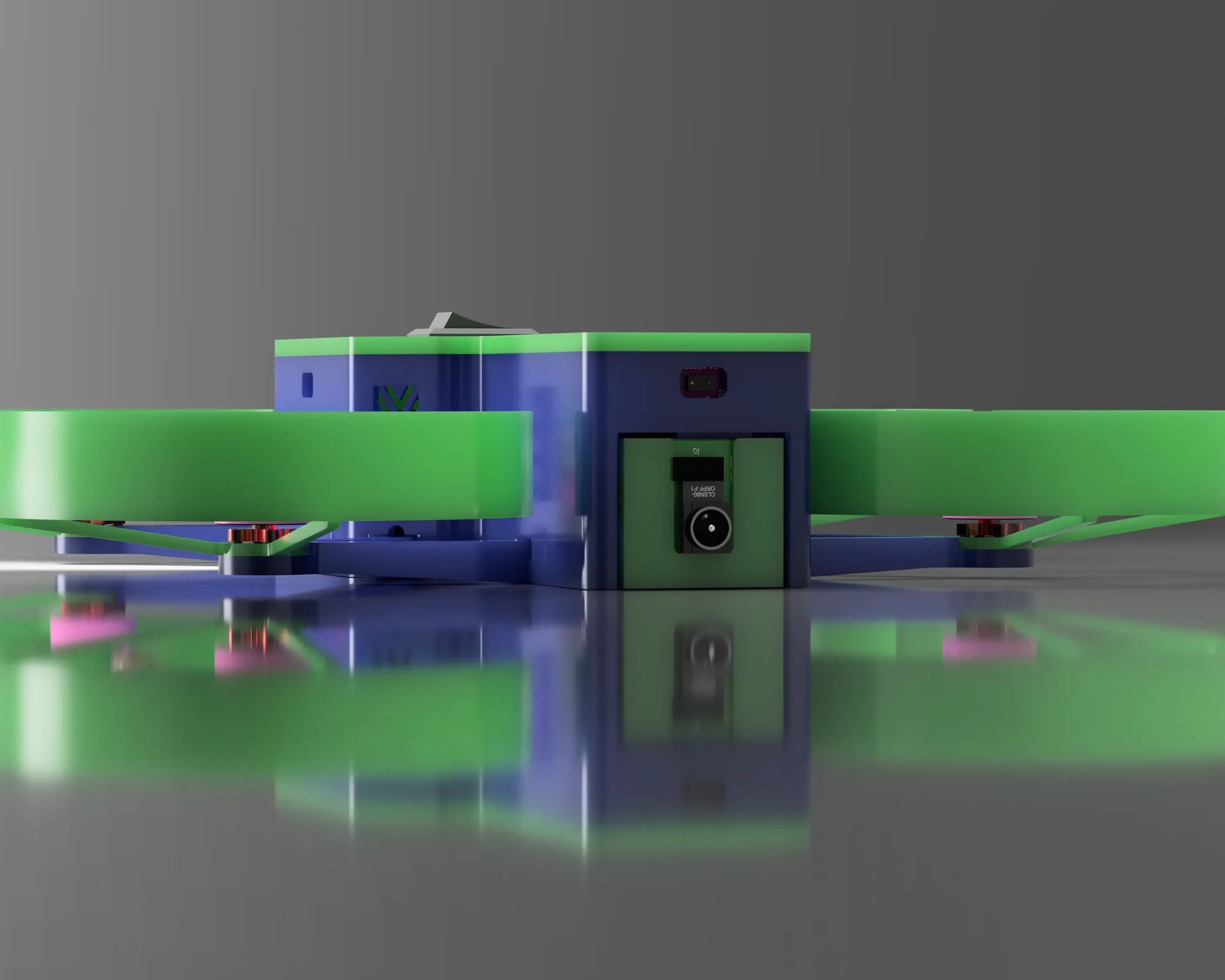
Odonata v1
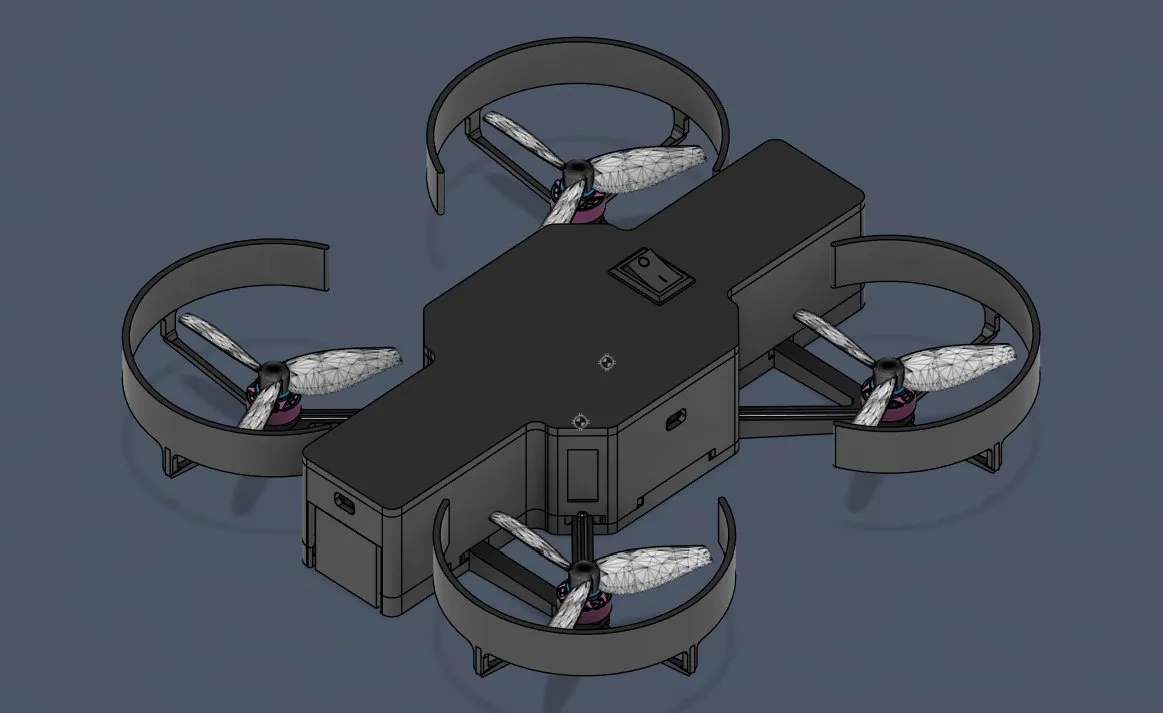
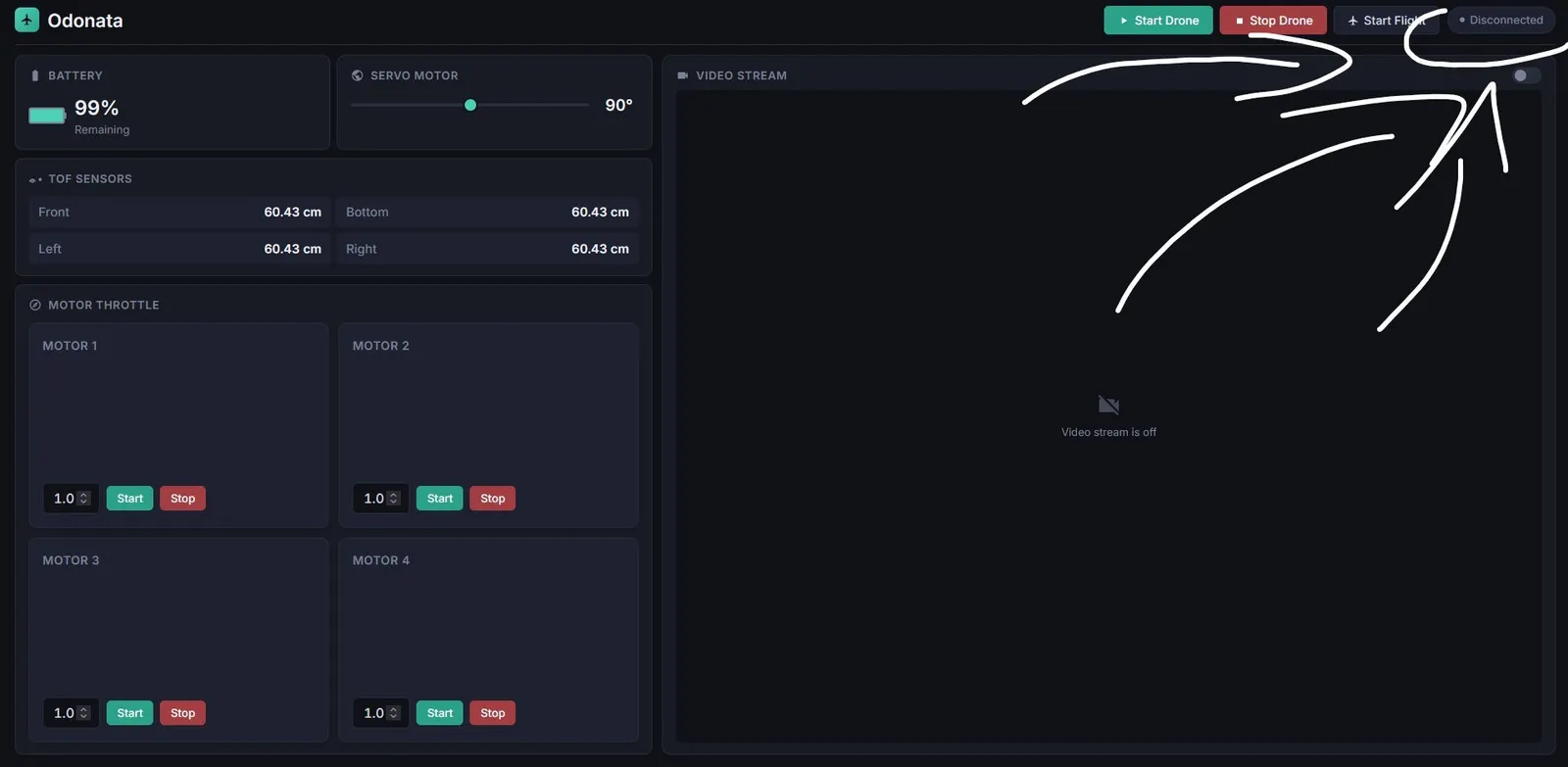
Built for Hack Club Fallout in spring 2026. A Raspberry Pi Zero 2 W does the thinking, a DarwinFPV F411 flight controller keeps it in the air, and a custom 4-layer PCB connects the two. The Pi talks to the flight controller over MAVLink, and a web cockpit on a laptop starts and stops flights.
- Weight
- about 300 g
- Thrust
- about 1100 g, 3 : 1 to weight
- Battery
- 3S 850 mAh, about 5 min flight
- Sensing
- 4 ToF distance sensors, 130° camera on a servo
- Landing
- AprilTag tracking, self-centring station
- Parts cost
- €264.84 including shipping
Not everything worked the first time
A few lines from the journal, written right after things went wrong.
It felt like building one decision always breaks another decision...
Choosing parts that all fit togetherI worked on this mechanism for 5 hours and now everything was for the trash
The tilting camera mount, before the redesign that worked1 and a half hours of work for nothing T-T (ok, not for nothing, but nevermind)
Forgetting to record a coding session
Next: into the forest
For Jugend forscht 2027, Odonata leaves the living room. Bark beetles (Borkenkäfer) kill large areas of spruce every year, and an attack is easiest to stop when it is found early. Walking every stand to look for it takes a lot of time. A small drone could do a first pass.
Fly between the trees
Navigate under the canopy without GPS, using distance sensors and the camera to avoid trunks and branches.
Look at every trunk
Photograph bark and crowns along the route and detect signs of infestation: bore dust, entry holes, loose bark, browning needles.
Write the forest summary
Return with a report: which trees were checked, where suspicious ones stand, and how sure the detection is.
This part is just starting. Progress will show up in the journal as it happens.